


Draining an under sink storage water heater is a crucial maintenance task that can extend the lifespan of your unit and ensure it operates efficiently. As a supplier of under sink storage water heaters, I've seen firsthand the benefits of proper maintenance, and I'm here to guide you through the process.
Why Drain Your Under Sink Storage Water Heater?
Over time, sediment and minerals can accumulate at the bottom of your water heater tank. This buildup can cause several problems, including reduced heating efficiency, increased energy consumption, and even damage to the tank and heating elements. Draining your water heater regularly helps remove this sediment, preventing these issues and keeping your water heater running smoothly.
Tools and Materials You'll Need
Before you begin, gather the following tools and materials:
- Adjustable wrench: This will be used to loosen and tighten the drain valve and other connections.
- Garden hose: Make sure the hose is long enough to reach a suitable drainage area, such as a floor drain or outside.
- Bucket: A small bucket can be useful for catching any water that spills during the process.
- Safety goggles and gloves: Protect your eyes and hands from hot water and debris.
Step-by-Step Guide to Draining Your Under Sink Storage Water Heater
Step 1: Turn Off the Power
The first step is to turn off the power to your water heater. If you have an electric water heater, switch off the circuit breaker that controls the unit. If you have a gas water heater, turn the gas valve to the "off" position. This will prevent the water heater from heating the water while you're draining it, reducing the risk of burns.
Step 2: Turn Off the Water Supply
Locate the cold water supply valve near the top of the water heater and turn it clockwise to shut off the water supply. This will prevent new water from entering the tank while you're draining it.
Step 3: Attach the Garden Hose
Connect one end of the garden hose to the drain valve at the bottom of the water heater. Make sure the connection is tight to prevent leaks. Place the other end of the hose in a suitable drainage area, such as a floor drain or outside.
Step 4: Open the Pressure Relief Valve
The pressure relief valve is usually located near the top of the water heater. Open the valve slightly to allow air to enter the tank. This will help the water drain more easily.
Step 5: Open the Drain Valve
Using an adjustable wrench, slowly open the drain valve at the bottom of the water heater. Be careful, as the water may be hot. Allow the water to drain completely. You may notice sediment and debris coming out with the water. This is normal and indicates that the draining process is working.
Step 6: Flush the Tank
Once the water has drained, close the drain valve and remove the garden hose. Turn on the cold water supply valve to fill the tank with fresh water. Let the water run for a few minutes to flush out any remaining sediment. Then, turn off the cold water supply valve and open the drain valve again to drain the flushed water.
Step 7: Close the Drain Valve and Pressure Relief Valve
After the tank has been flushed, close the drain valve and the pressure relief valve. Make sure both valves are tightly closed to prevent leaks.
Step 8: Turn On the Power and Water Supply
If you have an electric water heater, turn on the circuit breaker that controls the unit. If you have a gas water heater, turn the gas valve to the "on" position. Then, turn on the cold water supply valve to fill the tank with water.
Step 9: Check for Leaks
Once the tank is filled with water, check all the connections for leaks. If you notice any leaks, tighten the connections with an adjustable wrench.

How Often Should You Drain Your Under Sink Storage Water Heater?
The frequency of draining your under sink storage water heater depends on several factors, including the quality of your water and how often you use the water heater. As a general rule, it's recommended to drain your water heater at least once a year. However, if you have hard water or use your water heater frequently, you may need to drain it more often.
Benefits of Regular Maintenance
Regularly draining your under sink storage water heater offers several benefits, including:
- Improved efficiency: Removing sediment and minerals from the tank helps the water heater heat water more efficiently, reducing energy consumption and saving you money on your utility bills.
- Extended lifespan: By preventing sediment buildup, you can extend the lifespan of your water heater and avoid costly repairs or replacements.
- Better water quality: Draining the water heater helps remove impurities and contaminants from the water, improving the quality of the hot water you use.
Our Under Sink Storage Water Heater Products
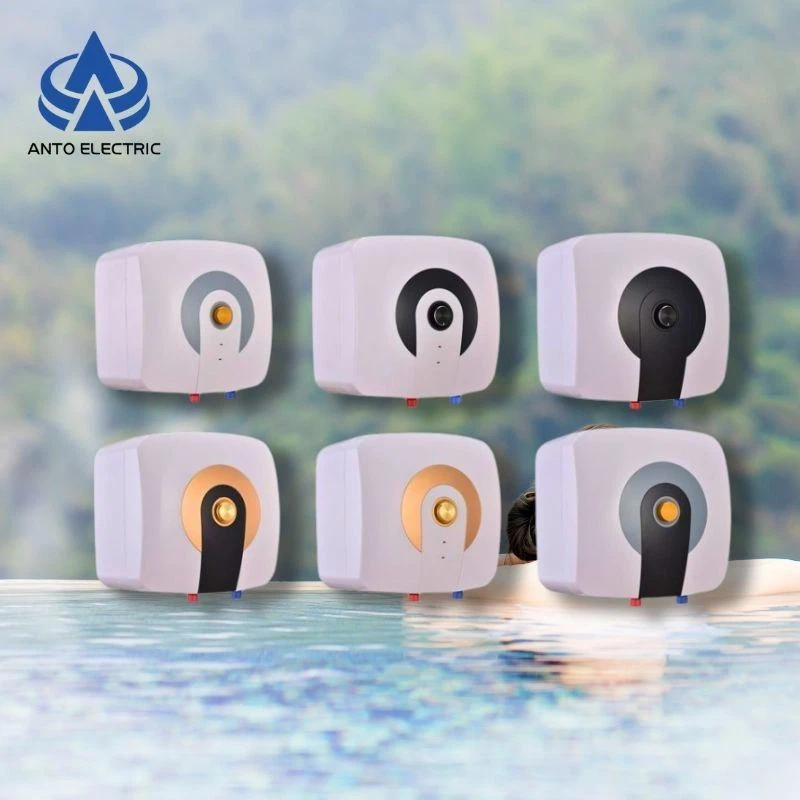
As a supplier of under sink storage water heaters, we offer a wide range of products to meet your needs. Our 10 Litre Geyser is perfect for small households or applications where space is limited. It provides a reliable supply of hot water and is easy to install and maintain.
Our Bottom Connection Small Storage Water Heater is designed for easy installation under the sink. It features a compact design and bottom connections, making it a convenient choice for tight spaces.
If you're looking for a smaller option, our Electric Geyser 6L is a great choice. It's energy-efficient and provides a sufficient supply of hot water for your daily needs.
Contact Us for Purchasing
If you're interested in purchasing an under sink storage water heater or have any questions about our products, please don't hesitate to contact us. Our team of experts is here to assist you and help you find the right water heater for your needs. We offer competitive prices, high-quality products, and excellent customer service.
References
- "Water Heater Maintenance Guide." U.S. Department of Energy.
- "How to Drain a Water Heater." Family Handyman.