


Hey there! As a supplier of Under Sink Tank Water Heaters, I often get asked about the maximum temperature these things can reach. So, I thought I'd write this blog to clear up any confusion and answer all your burning questions (pun totally intended).
Let's start with the basics. Under sink tank water heaters are super convenient little appliances. They're perfect for small spaces like bathrooms or kitchens where you don't have room for a big, bulky water heater. And they can give you a steady supply of hot water whenever you need it. But when it comes to the maximum temperature, it's not a one - size - fits - all answer.
Factors Affecting the Maximum Temperature
There are a few key factors that determine how hot an under sink tank water heater can get. First off, the make and model of the heater play a huge role. Different manufacturers design their heaters with different temperature limits. Some might be able to reach a higher max temp than others. For example, some high - end models are engineered to withstand and produce water at extremely hot temperatures, while more budget - friendly ones might have a lower limit.
Another factor is the heating element. This is the part of the heater that actually heats up the water. The power and efficiency of the heating element can vary. A more powerful heating element can generally heat water to a higher temperature faster. But it also needs to be well - regulated to prevent overheating.
Safety is also a major concern, and that affects the maximum temperature. Most under sink tank water heaters are equipped with safety features to prevent scalding. The last thing anyone wants is to turn on the tap and get a blast of boiling water. That's why many heaters have a built - in temperature limiter. These limiters are usually set to a reasonable temperature to protect users from getting burned.
Typical Maximum Temperatures
On average, most under sink tank water heaters can reach temperatures between 120°F (48.9°C) and 140°F (60°C). This range is considered safe for everyday use. At 120°F, you can comfortably wash your hands, do the dishes, or take a bath without the risk of scalding.
However, some heavy - duty or specialized under sink tank water heaters can go higher. I've seen some models that can reach up to 180°F (82.2°C) or even a bit more. These high - temperature models are usually used in commercial settings or for specific industrial applications where extremely hot water is required.
But here's the thing: if you set your under sink tank water heater to the maximum temperature, you need to be extra careful. The water can be dangerously hot, and there's a real risk of scalding. It's always a good idea to use a mixing valve or a tempering valve to blend the hot water with cold water before it reaches the faucet. This way, you can control the temperature and make sure it's safe for use.
Comparing with Other Water Heaters
Now, let's compare under sink tank water heaters with some other types of water heaters. Take the Over Basin Electric Water Heater. This type of heater is usually installed above the basin and has a similar temperature range to under sink tank water heaters. It's also great for small spaces, but it might have a different installation process.
The Miniature Kitchen Water Heater is another option. These are specifically designed for kitchens and are often more compact. They can reach similar maximum temperatures as under sink tank water heaters, but they might be optimized for faster heat - up times to meet the demands of kitchen use.
Then there's the Hot Water Heater Kitchen. This is a bit more general term, but these heaters are also often used in the kitchen. They can vary in size and temperature capabilities. Some might be able to reach higher temperatures if they're designed for heavy - duty kitchen tasks like cleaning large pots and pans.
The Narrow Electric Water Heaters are great for tight spaces. They're similar to under sink tank water heaters in that they're electric and can have comparable temperature ranges. They're just designed to fit in those narrow areas where a regular water heater won't.
And finally, the 10 Litre Oversink Water Heater. This type of heater has a specific capacity, and it can reach temperatures within the typical range we talked about earlier. It's a good option for places where you need a bit more hot water storage but still have limited space.
Why the Temperature Matters
The maximum temperature of an under sink tank water heater matters for a few reasons. First, if you need hot water for cleaning, higher temperatures can be more effective at killing germs and removing stubborn dirt and grease. For example, in a kitchen, hot water at a higher temperature can make it easier to clean oily pans.
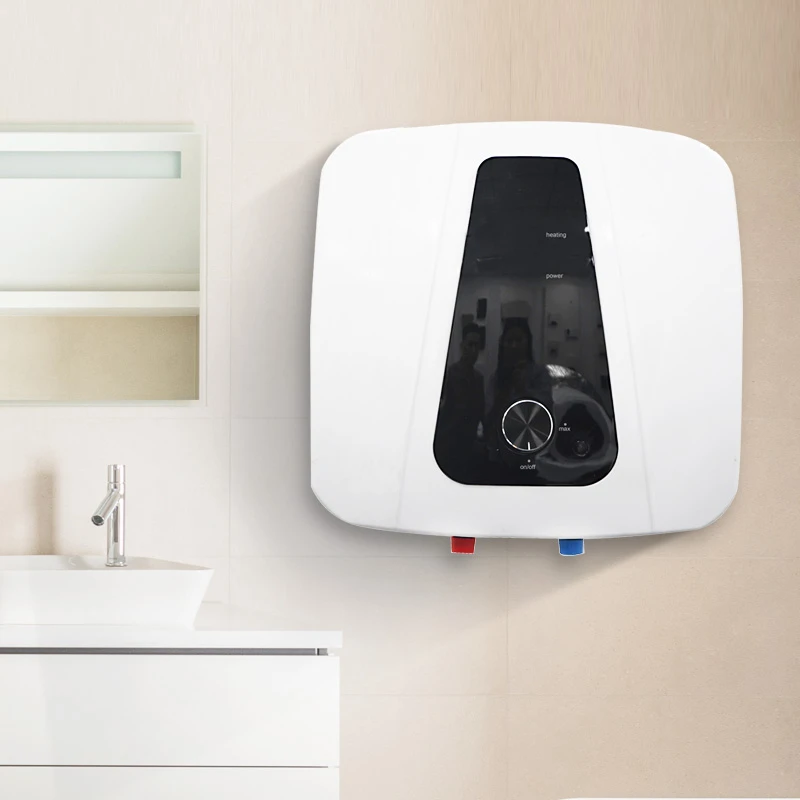

Second, for some people, a certain temperature of water is just more comfortable for activities like bathing or hand - washing. Some folks like really hot water, while others prefer it a bit cooler. Being able to control and understand the maximum temperature of your water heater allows you to customize your hot water experience.
Looking for an Under Sink Tank Water Heater?
If you're in the market for an under sink tank water heater, I'd love to help. We have a wide range of models to choose from, each with different temperature capabilities and features. Whether you need a basic model for everyday use or a high - performance one for a commercial setting, we've got you covered.
So, if you're interested in learning more, or if you want to discuss your specific needs, don't hesitate to reach out. We can have a chat and figure out the best under sink tank water heater for you. Whether you're a homeowner looking to upgrade your bathroom or a business owner in need of a reliable hot water solution, we're here to assist.
References
- Water Heater Handbook: A comprehensive guide on the types, functions, and safety features of water heaters.
- ASHRAE Standard 118: This standard provides guidelines on the energy efficiency and safety of water - heating systems.
- Plumbing Codes: Local and national plumbing codes often have regulations regarding water - heater temperatures and safety features.