


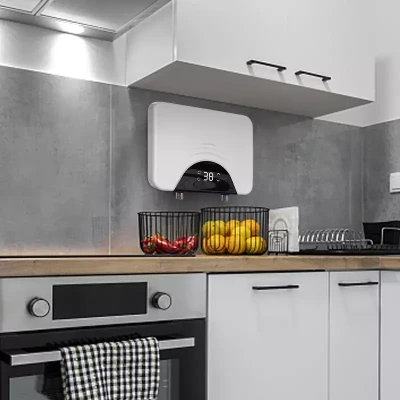
What is the power consumption of an electric hot water heater in the kitchen?
As a trusted supplier of Hot Water Heater Kitchen products, I often receive inquiries from customers about the power consumption of electric hot water heaters in the kitchen. Understanding the power consumption is crucial for homeowners and businesses alike, as it directly impacts energy costs and efficiency. In this blog post, I will delve into the factors that influence the power consumption of kitchen electric hot water heaters and provide some estimates to help you make informed decisions.
Factors Affecting Power Consumption
The power consumption of an electric hot water heater in the kitchen can vary significantly based on several factors. One of the primary factors is the heater's wattage. The wattage rating indicates the amount of electrical power the heater uses to operate. Generally, higher-wattage heaters can heat water more quickly, but they also consume more electricity. For example, a small electric water heater with a lower wattage may use around 1,000 to 1,500 watts, while larger, high-capacity models can have wattage ratings of 3,000 watts or more.
Another important factor is the frequency and duration of use. If you use hot water frequently throughout the day, such as for washing dishes, cleaning, or preparing food, the heater will need to run more often to maintain the desired water temperature. This can lead to higher power consumption. On the other hand, if you have a low demand for hot water in the kitchen, the heater will run less frequently, resulting in lower energy usage.


The efficiency of the hot water heater also plays a significant role in power consumption. Newer models are often designed with advanced features and technologies to improve energy efficiency. For instance, some heaters have better insulation, which helps to reduce heat loss and keep the water hot for longer periods without having to constantly reheat it. Additionally, energy-efficient models may have adjustable thermostats that allow you to set the water temperature to a lower level, thereby reducing the amount of energy required to heat the water.
The initial water temperature also affects power consumption. If the incoming water is already relatively warm, the heater will need to use less energy to heat it to the desired temperature. Conversely, if the water is very cold, the heater will have to work harder and consume more electricity to bring it up to the appropriate temperature. This is particularly important in regions with colder climates, where the ground water temperature can be significantly lower.
Estimating Power Consumption
To get a better understanding of the power consumption of an electric hot water heater in the kitchen, let's consider some estimates. The power consumption of a heater is typically measured in kilowatt-hours (kWh). One kilowatt-hour is equal to using one kilowatt (1,000 watts) of power for one hour.
Let's assume we have a small electric water heater with a wattage of 1,500 watts. If the heater runs for one hour, it will consume 1.5 kilowatt-hours (1,500 watts divided by 1,000). However, in reality, a heater may not run continuously for an hour. Instead, it will cycle on and off to maintain the desired water temperature.
If the heater runs for an average of 2 hours per day, the daily power consumption would be 3 kWh (1.5 kWh per hour x 2 hours). Over a month (assuming 30 days), the total power consumption would be 90 kWh. To calculate the cost of this energy consumption, you would need to multiply the total kWh by your electricity rate per kWh. For example, if your electricity rate is $0.15 per kWh, the monthly cost of running the heater would be $13.50 (90 kWh x $0.15 per kWh).
It's important to note that these are just rough estimates, and the actual power consumption of your hot water heater may vary depending on the factors mentioned above. If you want a more accurate estimate, you can check the manufacturer's specifications for your specific model or use a power meter to measure the actual energy usage.
Choosing the Right Hot Water Heater
When selecting an electric hot water heater for your kitchen, it's important to consider your specific needs and usage patterns. If you have a large family or a high demand for hot water in the kitchen, you may need a higher-capacity heater with a higher wattage. However, keep in mind that higher-wattage heaters will generally consume more electricity.
On the other hand, if you have a small household or only use hot water occasionally in the kitchen, a smaller, more energy-efficient model may be sufficient. Consider looking for heaters with energy-saving features, such as adjustable thermostats and good insulation. These features can help to reduce power consumption and save you money on your energy bills in the long run.
At [Vendor Name], we offer a wide range of electric hot water heaters suitable for kitchen use. Our products include the Small Electric Water Warmer, which is compact and energy-efficient, making it ideal for small kitchens or limited spaces. We also have the Bathroom Small Storage Water Heater, which can be used in the kitchen as well and provides a convenient source of hot water.
If you are in the dog grooming business, our Water Heater For Dog Grooming is designed to meet the specific needs of your industry, providing a reliable supply of hot water. For those looking for a space-saving option, our 15 Ltr Under Sink Water Heater and Under Sink Storage Water Heater can be installed conveniently under the kitchen sink, maximizing the use of available space.
Conclusion
In conclusion, the power consumption of an electric hot water heater in the kitchen depends on various factors, including wattage, frequency of use, efficiency, and initial water temperature. By understanding these factors and choosing the right hot water heater for your needs, you can manage your energy consumption and save money on your electricity bills.
If you are interested in purchasing a high-quality electric hot water heater for your kitchen, please don't hesitate to contact us. Our team of experts is ready to assist you in selecting the most suitable product and answering any questions you may have. We look forward to the opportunity to work with you and provide you with a reliable and energy-efficient hot water solution for your kitchen.
References
- Energy Star. (n.d.). Water Heaters. Retrieved from [Energy Star Website]
- U.S. Department of Energy. (n.d.). Water Heating. Retrieved from [U.S. Department of Energy Website]