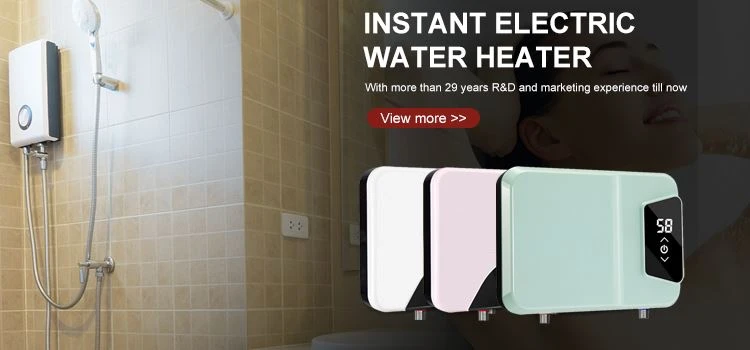

UNDERSTANDING TANK VS TANKLESS WATER HEATER
The differences between tank water heaters and tankless water heaters can be grouped into four categories:
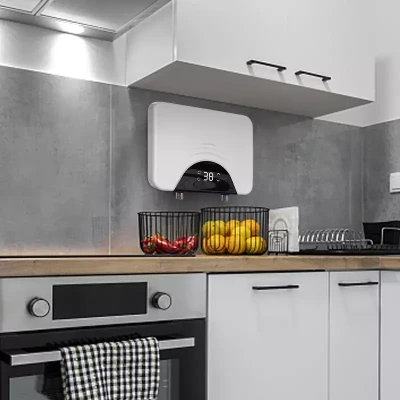
home kitchen
1. Convenience
The biggest problem people have with hot water is not enough water. You may find that the hot water doesn't last long enough for everyone in your household to take a shower, or it runs out halfway through. These problems only exist in tank water heaters. Tankless heaters can solve these problems. That's because of how these two heaters work:
The tank heater preheats a limited amount of water in the tank. You can get bigger tanks, but they are expensive and still have limitations. If you use up all the hot water in the tank, you'll run out until it's refilled and reheated. This is what makes long showers no fun.
Tankless heaters heat water on demand - as long as you turn the tap. They bring water to a steaming, soothing temperature in seconds. They can provide hot water indefinitely.
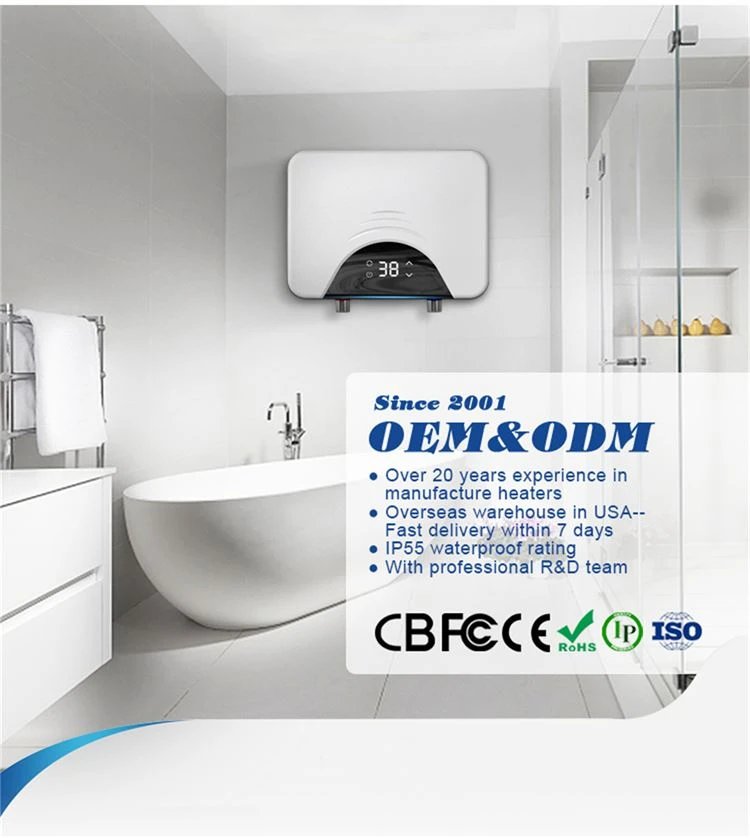
Anto-AT-E-350A Instantaneous Electric Water Heater
2. Efficiency
One of the biggest things homeowners want from a new water heater is energy efficiency. This is where the most notable differences between the two heaters are:
The tank heater runs continuously. This means it will run even if you are asleep, and most of the hot water won't even be used. That's a lot of wasted energy - you pay the price.
Tankless heaters only heat water on demand. It's a smaller, more compact system that heats water quickly when you need it and shuts off as soon as you turn off the tap. Tankless heaters are designed to save energy.
3. Fees
The cost advantage depends on whether you want a quick fix or a long-term investment:
Tank heaters have a lower upfront cost, but are expensive to run and wear out faster.
Tankless heaters have a slightly higher upfront cost, but can save you a lot on your monthly bill. Comparing a standard tank heater (50 gallon, electric) to an equivalent tankless heater (condensing gas unit), tankless units can reduce energy costs by 60% or more.
4. Installation and Maintenance
Installation costs for tankless heaters have come down recently, and Anto offers models that are compatible with the same gas lines and vent stacks as conventional heaters. Plus, Anto can help you find licensed installers no matter where you are. This means that the two heaters are now more evenly matched. But after installation, the difference is obvious:
Tank heaters are old technology and they are flawed. Minerals in the tank build up with repeated cooking. Most tanks only last 10-12 years before they have to be replaced and are usually only covered by a 6 year warranty.
Tankless heaters are more modern and more efficient. They can last up to 20 years with little maintenance. Anto supports most water heaters with a 10-year or longer warranty.
Is it time for your home to make a switch?
The water heater is probably the least-thinking appliance in the home—until it fails. When the water heater fails, many do it in a grand (ugly) way. Nearly three-quarters of the water heaters in your finished basement, attic, or garage fail due to a burst tank or leaking 30 to 80 gallons of rusty water (depending on the size of the tank). Look for energy-efficient, ENERGY STAR-certified water heaters, as new technology can save anywhere from 7% to 55% on your home's hot water costs.
Click on the infographic to see full size.