




The current international situation is becoming more complex and severe, and the domestic epidemic is also characterized by multiple, wide-ranging and frequent occurrences, which has a greater impact on economic operation. In the southern region, enterprises have irregular production shutdowns, complicated logistics and transportation processes and procedures, and it is difficult to circulate scrap steel resources across cities.
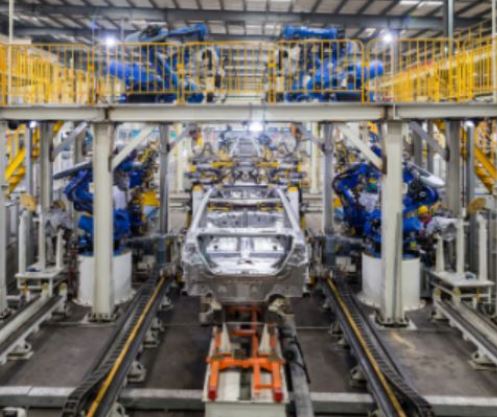
The first is the automobile industry. Data from the National Bureau of Statistics shows that the Jiangsu automobile industry produced 77,400 vehicles in March, a year-on-year increase of 33.68%; the regional output from January to March reached 216,800, a year-on-year increase of 5.65%. The data shows that the automobile industry in Jiangsu region produced normal production in March, mainly consuming raw material inventory, and the output of industrial scraps such as silicon steel sheets and galvanized materials was relatively stable; but from the middle and late March to the present, the logistics caused by the epidemic has been relatively static. As a result, auto manufacturers are faced with the supply of secondary parts and components, and some auto manufacturers can only maintain production and operation levels with lower production capacity, which will affect the output in April and even the second quarter, and the output of scrap steel will drop sharply.
The second is the home appliance industry. According to the data published by the National Bureau of Statistics, the output of the four major home appliance industries in Jiangsu (color TVs, air conditioners, refrigerators, and washing machines) in March was 528,600 units (down 67.81% year-on-year) and 223,500 units (down 22.35% year-on-year). , 1,231,200 units (down 13.28% year-on-year), 1,856,800 units (down 15.08% year-on-year), and regional output from January to March were 1,465,700 units (down 49.04% year-on-year), 830,800 units (down 17.77% year-on-year), and 295.28 10,000 units (down 4.83% year-on-year), 6.3999 million units (down 11.11% year-on-year). The production of the four major home appliance industries in Jiangsu has been severely impacted, with a year-on-year decline of 13.28%-67.81%, mainly due to the chain reaction caused by the epidemic. The cross-regional raw material procurement is not timely and the market consumption is expected to decline. Home appliance manufacturers have strategically reduced production and scrap output. As a result, the volume has been greatly affected, and it may decline further in April.
Among them, on the production side, the scrap output of shipbuilding manufacturers is relatively less affected, while the scrap output of manufacturers that require complex parts and raw materials in industries such as automobiles, home appliances, and machinery manufacturing has declined significantly. The primary factor is logistics. The supply of production raw materials from all over the country is not timely, especially the raw materials purchased from medium and high-risk areas, and some companies even stop production due to the irreplaceability of components; secondly, the epidemic has led to a decline in the industry’s expectations for market consumption, and some companies’ orders have declined. For renewable resource recycling enterprises, the enthusiasm of logistics and transportation personnel has been frustrated due to factors such as partial regional sealing and control, cross-regional processes and procedures are cumbersome, and personnel management and control are strict, and transportation costs have increased significantly, ranging from 20% to 50%. Vehicle congestion has surged in a short period of time due to social problems such as high-speed exits, and the recycling volume of typical scrap steel types such as scrapped cars, scrapped ships, steel sheets, and heavy scraps by recycled raw material companies has dropped sharply. In addition, because scrap steel cannot be delivered to steel mills and foundries in time, it is accumulated in warehouses, but at the same time, it has to pay fixed costs such as rent, water, electricity, and labor on schedule, thus facing greater financial pressure and high risks.