


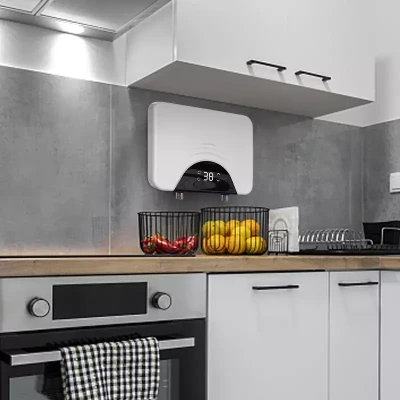
Hey there! As a supplier of Portable Electric Water Heaters, I've gotta say, one question that pops up quite often is, "What is the water quality requirement for a portable electric water heater?" Well, let's dive right into it.
First off, let's understand why water quality matters. A portable electric water heater is a great investment for those on - the - go or in small spaces. Whether you're using an Instant Electric Shower Water Heater for a quick shower, a Mini Electric Tankless Instant Hot Water Heater in your tiny apartment, or a Tankless Intelligent Shower Water Heater for its smart features, the water quality can significantly impact its performance and lifespan.
1. Hardness of the Water
Water hardness is a big deal. It refers to the amount of dissolved calcium and magnesium in the water. When water is too hard, these minerals can build up inside the heater over time. This is called limescale or scale buildup.
Limescale acts like an insulator. It reduces the efficiency of the heating element in your portable electric water heater. The heater has to work harder to heat the water, which means it uses more energy and can lead to higher electricity bills. Eventually, severe scale buildup can even cause the heating element to malfunction, leading to expensive repairs or the need to replace the whole unit.
For a portable electric water heater, it's best to use water with a hardness level below 120 ppm (parts per million). If your water is harder than that, you might want to consider using a water softener. There are some compact water softeners available that can be easily attached to your portable heater to help reduce the hardness of the incoming water.
2. pH Level
The pH level of water indicates how acidic or alkaline it is. A pH scale ranges from 0 to 14, with 7 being neutral. For a portable electric water heater, the ideal pH range for the water is between 6.5 and 8.5.
If the water is too acidic (pH less than 6.5), it can corrode the internal components of the heater. This includes the heating element, the metal pipes, and the tank (if it has one). Corrosion weakens the materials and can lead to leaks and premature failure of the unit.
On the other hand, if the water is too alkaline (pH greater than 8.5), it can also cause problems. Alkaline water can promote the formation of scale and deposits, which we already know is bad news for the heater's efficiency and longevity.
Testing the pH of your water is relatively easy. You can buy a simple pH testing kit from a hardware store or an online retailer. Once you know the pH of your water, you can take appropriate steps to adjust it if necessary.
3. Contaminants
There are various contaminants that can be present in water, and they can all have a negative impact on your portable electric water heater.
Chlorine
Many municipal water supplies are treated with chlorine to kill bacteria and other pathogens. While chlorine is great for keeping the water safe to drink, it can be a problem for your heater. Chlorine is a strong oxidizing agent, and over time, it can cause the rubber gaskets and seals in your heater to deteriorate. This can lead to leaks.
If your water has a high chlorine content, you can use a carbon filter to remove the chlorine before the water enters the heater. Some advanced portable electric water heaters even come with built - in carbon filters to handle this issue.
Sediments
Sediments like sand, silt, and rust can also find their way into the water supply. These particles can clog the inlet and outlet pipes of your portable heater, reducing the water flow. They can also scratch the heating element and other internal parts, causing damage.
Installing a sediment filter can help prevent these particles from entering the heater. Regularly cleaning or replacing the sediment filter is important to ensure it continues to work effectively.


Heavy Metals
Heavy metals such as lead, mercury, and copper can be present in water, especially if the pipes in your plumbing system are old. These metals can not only be harmful to your health but can also interact with the components of the water heater. For example, lead can react with certain metals in the heater and cause corrosion.
If you suspect that your water contains heavy metals, it's advisable to have your water tested by a professional. You may need to install a water filtration system that can remove heavy metals to protect your portable electric water heater.
4. Temperature and Pressure
The temperature and pressure of the incoming water also play a role in the performance of your portable electric water heater.
The ideal incoming water temperature for most portable electric water heaters is between 5 - 35°C. If the water is too cold, the heater will take longer to heat it to the desired temperature, which can put more stress on the heating element. If the water is too hot, it can cause the heater to overheat and trigger safety shut - off mechanisms, disrupting your hot water supply.
In terms of pressure, the water pressure should typically be between 0.05 - 0.6 MPa. Low water pressure can lead to insufficient water flow through the heater, resulting in uneven heating. High water pressure, on the other hand, can damage the internal components of the heater. You may need to install a pressure regulator if your water pressure is outside the recommended range.
How to Ensure the Right Water Quality
Maintaining the right water quality for your portable electric water heater is crucial. Here are some steps you can take:
- Test your water regularly for hardness, pH, contaminants, temperature, and pressure. You can get DIY test kits or hire a professional water testing service.
- Install appropriate water treatment devices such as water softeners, carbon filters, sediment filters, and pressure regulators.
- Follow the manufacturer's maintenance instructions. This may include flushing the heater periodically to remove any accumulated scale or sediment.
Whether you're looking for a Multi - Voltage Electric Tankless Heater for different voltage environments or a Small Electric Instant Hot Water Heater for a specific space, ensuring the right water quality will keep your portable electric water heater running smoothly for years to come.
If you're in the market for a high - quality portable electric water heater or have any questions about water quality requirements, feel free to reach out. We're here to help you make the best choice for your needs. Let's start a conversation about your purchase and get you the perfect heater for your situation.
References
- American Water Works Association. Water Quality and Treatment: A Handbook of Community Water Supplies.
- Smith, J. (2022). The Impact of Water Quality on Household Appliances. Journal of Home Appliance Science.